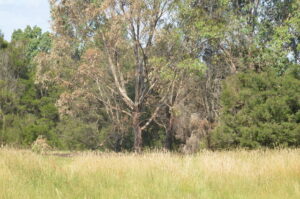

Creating a wildlife-friendly garden involves choosing native plants that provide food, shelter, and habitat for local wildlife.
Here are some suggestions for plants to consider:
1. Native Trees
Eucalyptus: Various species of eucalyptus trees provide food and habitat for birds, koalas, and insects.
Acacia: Wattle trees attract nectar-feeding birds and provide shelter for small animals.
Banksia: Banksia plants offer nectar-rich flowers that attract birds and support pollinators.
2. Shrubs and Bushes
Callistemon (Bottlebrush): Known for their vibrant flowers, bottlebrush shrubs attract nectar-feeding birds and insects.
Grevillea: Grevillea species provide nectar for birds and attract honeyeaters.
Melaleuca: Paperbark plants, such as Melaleuca species, offer nesting sites for birds and attract insects.
3. Groundcovers and Grasses
Lomandra: Native grasses like Lomandra are hardy, provide shelter for small animals, and are ideal for low-maintenance areas.
Dianella: Dianella species, also known as flax lilies, attract birds and offer berries as a food source.
4. Flowering Plants
Kangaroo Paw: An iconic Australian plant, Kangaroo Paw produces unique flowers that attract nectar-feeding birds.
Correa: Correa species, or native fuchsia, provide nectar for birds and a flowering habitat for small animals.
Swan Plant: As a host plant for butterflies, the Swan Plant supports the life cycle of Monarch butterflies.
5. Climbers and Vines
Hardenbergia: Native wisteria, or Hardenbergia, produces beautiful flowers that attract birds, bees, and butterflies.
Pandorea: Pandorea species, or wonga wonga vine, provides shelter and nesting sites for birds and attracts pollinators.
6. Water Plants
Waterlilies: Waterlilies offer shelter for aquatic animals and attract frogs, insects, and water birds.
Juncus: Native rushes, such as Juncus species, grow in wetland areas and provide habitat for frogs and insects.
Remember to select a variety of plants that bloom throughout the year to provide a consistent food source for wildlife.
Additionally, incorporate features like birdbaths, nesting boxes, and rock piles to enhance the habitat
and attract a diverse range of wildlife to your garden.